
The regulatory framework of European tourism has changed in recent years, with access taxes, visitor quotas, and restrictions on short-term rentals. These measures are reshaping the way we can explore a destination, far beyond the simple advice to travel off-season.
Access taxes and quotas: what anti-overtourism measures change for travelers
Several European cities and regions have implemented entry fees or mandatory reservations to regulate visitor numbers. Venice serves as a case study: the access fee imposed on day visitors generated revenues exceeding 5 million euros in 2025, but only slightly reduced crowds on the busiest days.
This observation deserves attention. Paying more or reserving a time slot frames tourism without solving saturation. For travelers, this means that “traveling differently” is not limited to choosing an off-peak time. These logistical constraints must be integrated from the itinerary preparation stage.
In France, municipalities can now reduce the maximum rental duration of a primary residence to 90 days per year, a measure applied in Paris since January 1, 2025. The supply of private accommodations is contracting in the most touristy areas. Travelers who relied on this type of lodging for extended stays must plan further ahead or consider alternatives like home exchanges or rural gîtes.
Those wishing to deepen their research on itineraries and alternative travel formats can discover the site voyageurscreateurscom, which compiles narratives and resources focused on off-the-beaten-path exploration.
Cross-border train travel: a preference that goes beyond ecological arguments
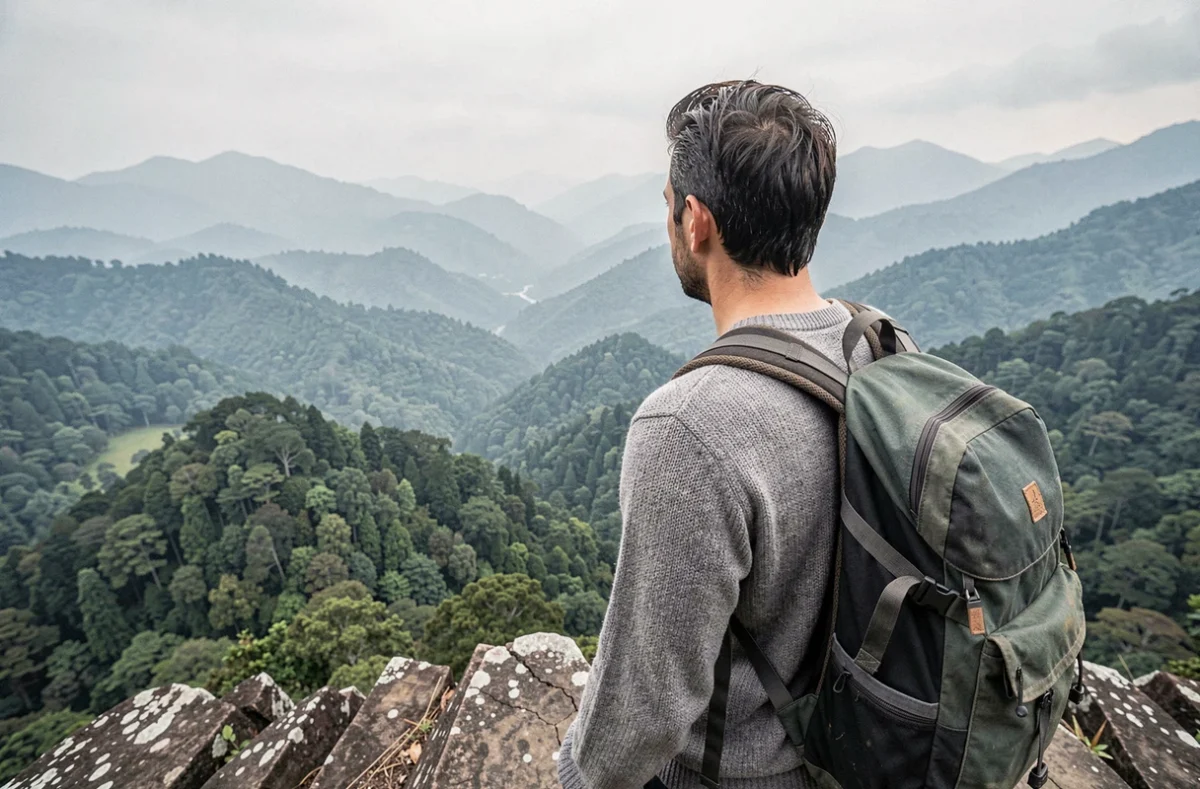
Long-distance trains are no longer just the default “green” option. According to the European Travel Commission, a large share of European cross-border travelers prefer a rail pass, while a comparable proportion opts for individual tickets. Rail travel thus captures a net majority of travel intentions between European countries.
This shift changes the very nature of travel. A train journey between two European capitals often takes longer than a flight, but it passes through landscapes and intermediate cities that become potential stops. Travel ceases to be a transfer between two points and becomes a continuous itinerary.
What train travel makes possible in practice
- Spontaneous stops in medium-sized cities rarely covered by traditional guides, where accommodation remains affordable and visitor numbers low
- Greater baggage flexibility than by plane, allowing for hiking gear, a folding bike, or local provisions purchased along the way
- A slower travel pace that encourages encounters with other travelers and locals in stations, dining cars, or during transfers
Field reports vary on the reliability of international connections, particularly between the rail networks of different countries. Some routes require booking each segment separately, complicating planning. The available data does not allow for a conclusion that the European network currently offers a seamless end-to-end experience.
Displaced tourist pressure: when “alternative” destinations become saturated in turn
A little-documented phenomenon in travel guides concerns the shift in visitor numbers. When a famous destination imposes restrictions, tourist flows shift to neighboring sites that are less prepared. Coastal villages or previously preserved natural parks suddenly see their visitor numbers surge, without the necessary infrastructure.
Recommending to “get off the beaten path” without mentioning this mechanism merely shifts the problem. A fishing village accessible within an hour’s drive from a tourist metropolis is not a sustainable alternative destination if thousands of visitors arrive simultaneously.
Criteria for assessing the viability of a lesser-known destination
- The local accommodation capacity: a village with a handful of guest rooms cannot absorb a sudden influx without degrading the experience for residents and visitors
- Accessibility by public transport: a destination accessible only by private car concentrates nuisances (parking, noise, pollution) within a limited area
- The presence of local tourism governance: some rural municipalities have offices or collectives that regulate visitor numbers, while others have no management tools
Exploring differently: what it concretely means to slow down an itinerary
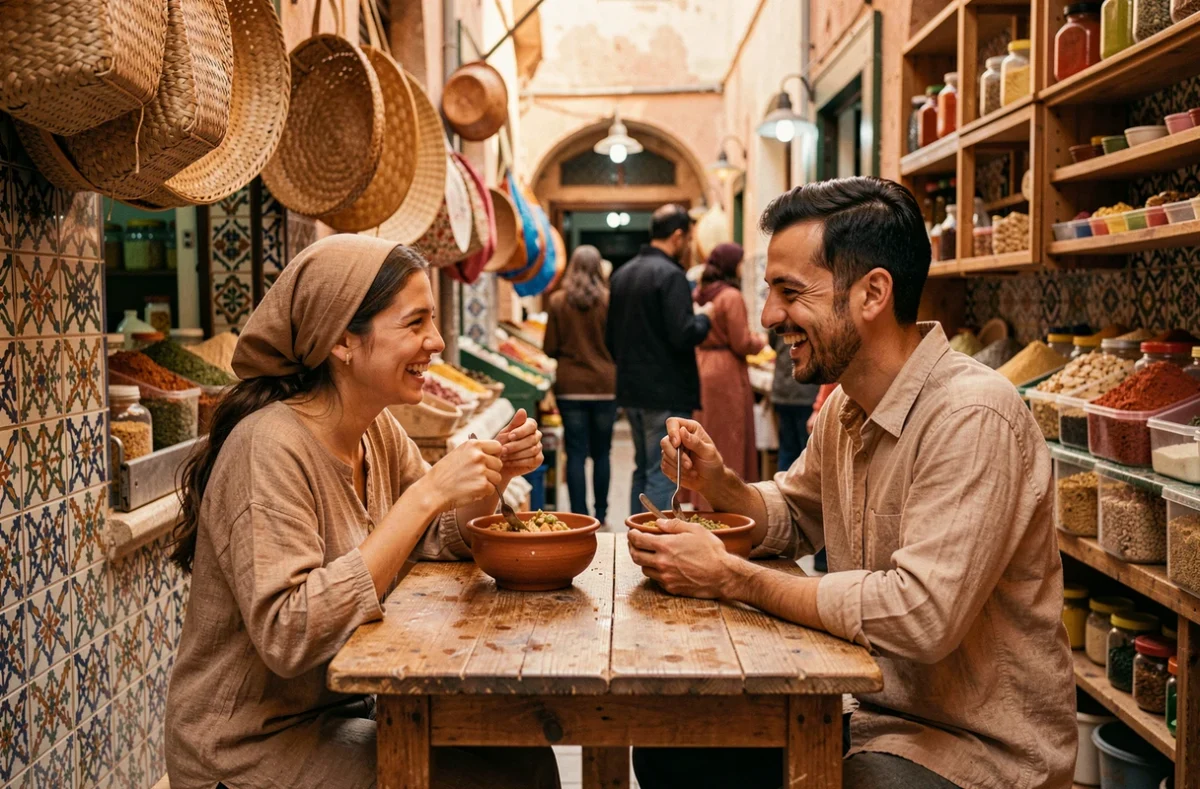
Slowing down does not mean staying still. It involves reducing the number of destinations per trip and increasing the time spent in each. A week-long stay in a single region, with travel on foot or by bike between two towns, provides a knowledge of the area that ten days of hopping between four capitals does not allow.
This travel format has a different cost. Transportation decreases, but accommodation costs increase if one stays longer. However, local spending (markets, artisans, neighborhood restaurants) benefits the destination’s economy more than a quick visit focused on main attractions.
The question of “traveling differently” today arises in terms of real constraints: local regulations, accommodation capacity, transport preferences. The most sustainable travel ideas incorporate these parameters from the design of the itinerary, rather than discovering them on-site. Checking access quotas, accommodation capacity, and public transport options before booking remains the most useful precaution for a trip that lives up to its promises.