Loyalty to a mission does not exclude the possibility of a sudden withdrawal, even among the most committed. Certain contexts highlight unexpected reactions, where deep attachment is no longer enough to maintain commitment. This phenomenon reveals complex psychological mechanisms.
Often, the collective proves decisive in preventing isolation and supporting those who are struggling with moral distress. When applied psychology comes into play in support, it helps to reweave the link between convictions and action, especially when it comes to defending the most vulnerable.
Why abandonment has a lasting impact on vulnerable animals
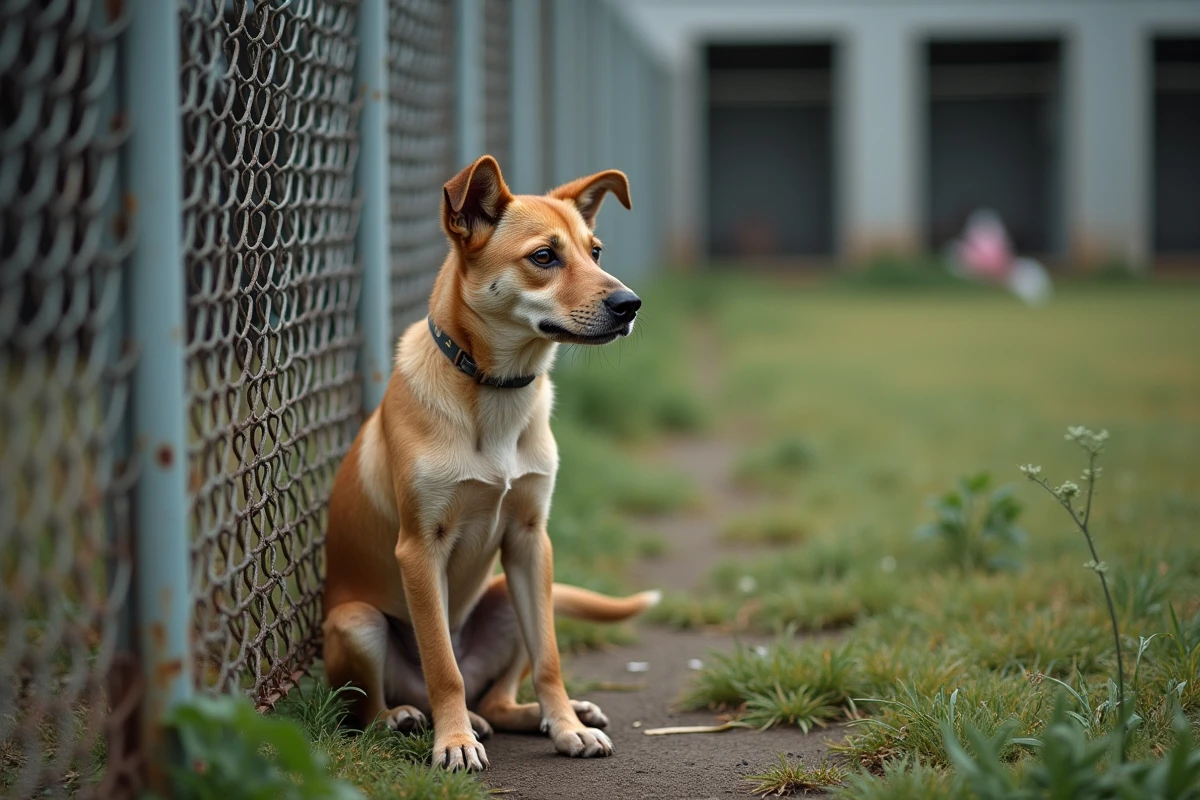
When a pet is abandoned, it is never trivial. One does not simply leave behind a collar or a bowl: the entire world of the animal collapses. For the dog, cat, or any other companion, the loss of its bearings and family is a frontal shock. The impact, massive, leaves physical and emotional scars. Veterinarians witness this every day: intense stress, apathy, destructive behaviors, even self-inflicted injuries, the signs of distress accumulate. Some animals slowly fade away, withdraw, refuse to eat, or become aggressive, sometimes making any rehabilitation difficult.
The psychological aftermath does not disappear overnight. The fear of humans sets in, and separation anxiety becomes chronic. In shelters, many arrive broken and display a tenacious mistrust towards caregivers. We then witness a whole range of reactions: withdrawal, defensive flinching, hyper-vigilance, refusal to approach, or unpredictable reactions. This instability hinders adoption chances and complicates cohabitation with other animals or children.
The psychological impact of animal abandonment far exceeds the individual affected. The pressure on shelters, their saturation, the increase in euthanasias, or the explosion of the stray animal population are all collateral effects. Even families and the youngest sometimes feel the repercussions, shaken by what, in their eyes, resembles a pure and simple abandonment.
To better understand the extent of the aftermath, we can cite the most common consequences observed in these animals:
- Dehydration, malnutrition, physical injuries
- Refusal of adoption, prolonged wandering in shelters, difficulty integrating into a new home, especially with other animals or children
- Need for veterinary care, a reassuring environment, patience, and daily attention
This grim picture highlights the strength of social bonds in domestic animals. Every year, thousands of animals are left by the roadside in France, shedding light on a massive phenomenon and the long road that remains to limit its impact.
How to respond to distress: ways to strengthen individual and collective commitment
Welcoming a vulnerable animal requires much more than a simple impulse of the heart. Shelters, overwhelmed, are doubling their vigilance: they seek to ensure the sincerity of adopters, to provide a stable environment, and to maintain post-adoption follow-up to prevent new tragedies. But with reduced staff and dwindling resources, their actions quickly reach their limits. Abandonment disrupts family balance, weakens cohesion, and resonates even in the social sphere.
To raise public awareness and mobilize goodwill, animal protection associations are multiplying initiatives: World Day Against Abandonment, solidarity marches, food collection campaigns… Their message remains the same: loyalty to an animal should never stop at the first difficulty. Some sanctuaries specialize in taking in dogs deemed difficult or unadoptable, but their capacity remains limited. Veterinarians, behaviorists, volunteers: all unite to restore confidence in these beings battered by life.
To take concrete action, here are some levers available to everyone:
- Disseminate reliable information about abandonment and its consequences
- Encourage training for future adopters and promote sterilization to limit overpopulation
- Support shelters, get involved as a volunteer, and relay adoption calls
In the face of animal distress, every gesture counts. Collective commitment changes the game, prompts a reconsideration of the place of animals in our society, and makes solidarity a daily reality.

Psychology, ethics, and animal rights: rethinking our moral responsibility
Abandonment raises much more than an issue of animal psychology: it questions our sense of duty and our ability to take responsibility for our choices. The pet, a full member of the household, experiences the severance as a deep wound. The consequences extend to the entire family, affecting children who discover the pain of separation and the irreversibility of an act that is sometimes misunderstood. Society, too, pays the price: the increase in stray animals, health risks, tensions in urban and rural spaces.
In France, the law has become stricter. Abandoning an animal is now a crime: fines, prison sentences, and bans on adopting again. Yet, these measures struggle to stem the tide. The issue is not just about punishment, but about embedding respect for animals in our common culture. It starts with education: in schools, at home, it is time to address the needs and sensitivity of animals, to learn what commitment entails, to see animals not as objects of consumption, but as beings with rights.
Changing our relationship with animals requires broadening our perspective: recognizing their social place, their feelings, their fragility. Individual responsibility does not stop at one’s own doorstep: it extends to society as a whole. Preventing abandonment, protecting living beings, changing mindsets: this is the challenge that lies ahead. Will the next encounter with the gaze of a rescued animal leave a mark? That is a question that does not fade away.