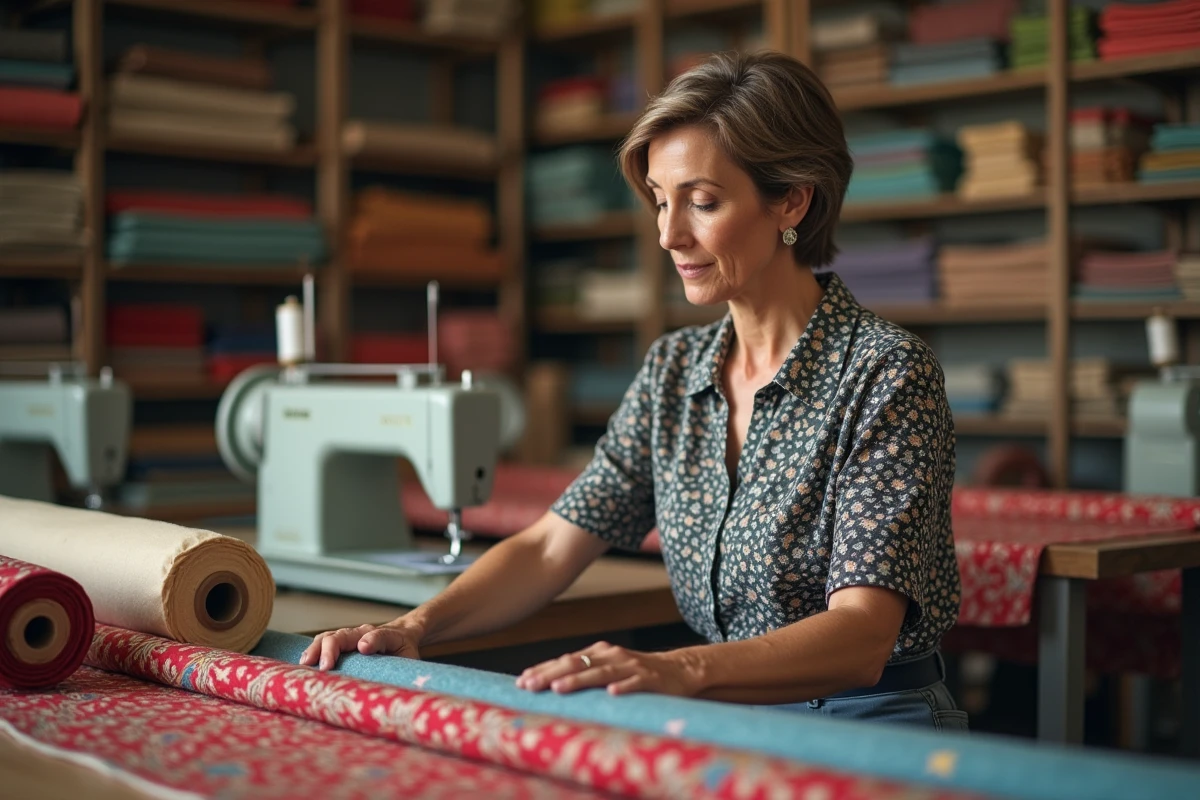
The complete traceability of a garment always challenges the prevailing practices in fashion, including among those who claim the “European manufacturing” label. At Christine Laure, the origin of production and the choice of raw materials are not left to chance. The strict criteria guide every step but are rarely revealed from all angles.
Whether it concerns the conditions in the workshops, stock monitoring, or the meticulous selection of short supply chains, every decision impacts both the transparency and the environmental footprint of the collections. This reality leads to scrutinizing, beyond promises, how the brand truly shapes its garments and stands out in the textile landscape.
Where do Christine Laure garments come from? Stories of workshops and local commitments
At Christine Laure, location is not just for show. In France, at the heart of regional workshops, the artisan’s hand infuses each piece with its uniqueness. It is impossible to confuse this journey with anonymous mass production. One only needs to push open the door of the Maison du Boutis, founded by Francine Nicolle: preserving a tradition, showcasing unique creations, passing on heritage during events such as the European Days of Arts and Crafts 2026, here, lineage and passion weave their fabric.
Several workshops become anchor points. The Atelier Chloé Paule led by Chloé Sanier, the Atelier Florine Gozzi driven by Florine Gozzi, or the Jewelry Workshop Colas directed by Lydie Salgues: each carries an approach that goes beyond mere production. These workshops do not simply pass on a craft: they cultivate a culture, adding depth to each model where the industry seeks repetition.
This network, composed of artisans from cutlery in Génolhac, leatherworkers in Nîmes, textile specialists, or master glassmakers, creates an ecosystem where heritage and innovation advance hand in hand. Christine Laure builds shared loyalty, values French creation, and bets on the sustainable employment of skilled workers. Every detail, from the button to the stitching, is the result of demanding work far from any standardization.
To go further and understand precisely the brand’s approach, the page origin of Christine Laure garments outlines these partnerships, the meaning they take on, and the significance of local choices, short supply chains, or social responsibility. This willingness to share behind-the-scenes remains rare in the industry. At Christine Laure, each model carries the memory of a place and the strength of a committed collective.
Between craftsmanship, innovations, and ethical demands: how the brand shapes its collections
Creating at Christine Laure is far from an automated gesture. The collections are developed in the meeting of artisanal heritage and new inspirations. The boutis, a flagship inscribed in the French intangible heritage, inspires textures and volumes. Only partners sharing this vision, such as Frescolab, Ateliers d’Isa, or Sellerie Camarguaise, join the adventure. They combine artisanal depth with a thirst for experimentation.
The brand chooses creators capable of embedding each garment in the continuation of the local heritage. Isabelle Monnier, at Ateliers d’Isa, shapes pieces where heritage and contemporary dialogue at every stage. Patrick Pelissier, at Sellerie Camarguaise, works the material with respect for life, weaving innovation and attention to the environment. Christine Laure seeks proximity and direct exchange, relying on partners for whom quality, sustainability, and listening are references.
This search for meaning goes beyond mere display. Commitments are embodied day by day. Alongside Sylune créations, GKO Céramique, Eleganço, or Boem’Arts, trust and traceability structure the relationship. The brand believes that fashion must assume its share of social and environmental responsibility. The real secrets lie there: making clothing an object of meaning, linked to its territory, anchored in the future.
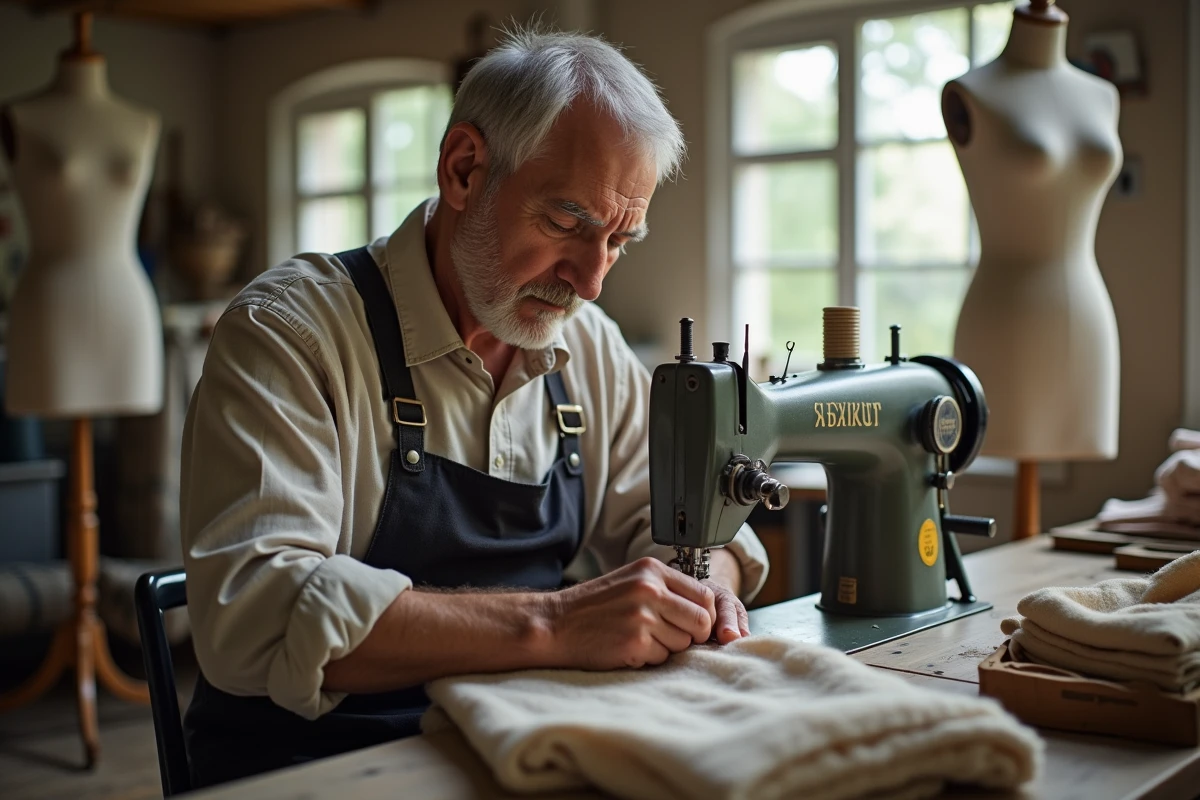
The other side of the coin: environmental impact, working conditions, and challenges of responsible fashion
At Christine Laure, traceability is tested on the ground. There’s no hiding behind a slogan: each collaboration and each workshop are evaluated based on their environmental and social impact. The production prioritizes artisanal gestures but also monitors every parameter: sourcing of materials, waste management, reasonable use of water and energy… This requirement translates into a real openness during the European Days of Arts and Crafts 2026, where transparency and dialogue come together.
To illustrate the diversity of these efforts, here are a few standout initiatives among the partners:
- The Maison du Boutis and the Atelier Chloé Paule, driving forces in transmission and vibrant local creation
- The Bulle de Camargue soap factory, SARL Biomomo Hashimoto, or La Fabrique à Grain, at the crossroads of art craftsmanship and food
- Positions offered in CDI, a salary that can exceed 1,500 euros net, regulations respected, and a genuine union presence
Fashion faces concrete and daily challenges. Careful stock management, reduced waste, gradual relocation of certain steps: nothing is fixed. Social demands are rising, the demand for rigor as well, and responsible fashion requires continuous reinvention. The example of the Distillerie des Camisards or the Brasserie Étienne, in other sectors of the local fabric, shows that consultation and regional anchoring inspire sustainable changes.
At Christine Laure, each new line reminds us that uniqueness is written in duration and attention to those who create. The garment then becomes manifest: a witness to a diversity of gestures, partnerships, and stories woven into the fabric. When considering the future of clothing, perhaps we should seek less uniformity and more the strength of this shared memory.