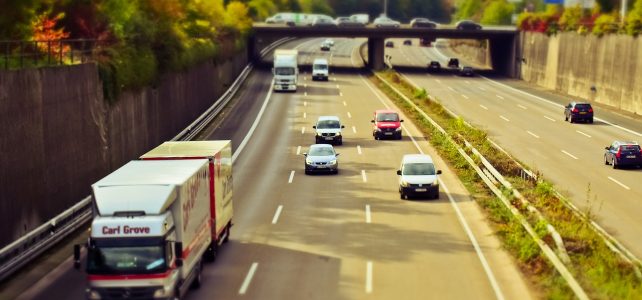
Since the historic vote that led the United Kingdom to leave the European Union, many questions have emerged regarding the consequences of this decision. One of the most affected sectors is international transport, particularly concerning transit conditions in England. In this article, we will explore in detail the changes that have occurred as a result of Brexit and their impact on the transport of goods and people.
The new customs regulations
The UK’s exit from the European Union has led to the implementation of new customs regulations for businesses wishing to transport goods to England. These new rules impose stricter procedures and longer delays for crossing borders.
- Businesses must now complete customs declarations, which can lead to significant delays in the shipping process.
- The necessity to adapt to these changes has led many companies to rethink their logistics strategy and invest in more efficient goods flow management solutions.
The impact on transport costs
Due to the new customs regulations and longer delays at borders, transport costs have significantly increased since Brexit. Companies now have to face additional fees related to customs formalities and delivery delays.
By following this link, you can learn more about the conditions of international transport in England since Brexit.
The logistical constraints
In addition to the new customs regulations, Brexit has also created significant logistical constraints for transport companies. The need to adapt to more complex procedures has led to disruptions in supply chains and difficulties in organizing efficient routes.
- Companies have had to invest in new IT systems to manage customs formalities and track the movement of goods in real-time.
- Route planning has become more complex due to potential delays at borders and frequent changes in transit rules.
The challenges ahead
While Brexit has already had a significant impact on international transport conditions in England, many challenges remain for businesses operating in this sector. It is essential to find innovative solutions to overcome the obstacles related to the new regulations and logistical constraints.
- Companies must continue to invest in training their staff to ensure a better understanding of customs procedures and post-Brexit requirements.
- Cooperation among transport sector stakeholders is essential to find collaborative solutions that will minimize disruptions and ensure optimal transit conditions.
In conclusion, Brexit has profoundly changed the conditions of international transport in England, imposing significant challenges on businesses in the sector. However, by adopting a proactive approach and investing in suitable solutions, it is possible to overcome these obstacles and ensure an efficient flow of goods and people despite the new regulations in place.