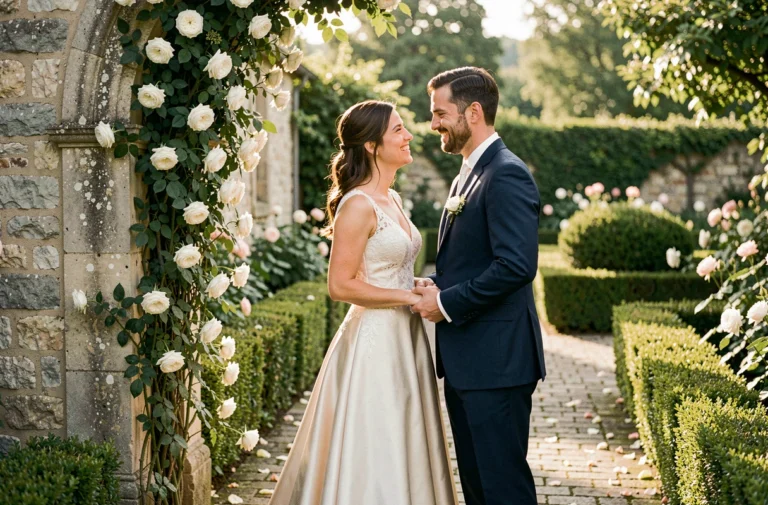
Personal style is defined by a set of recurring clothing choices that reflect an identity, a lifestyle and practical needs. In France, clothing sales by value fell in 2025 compared with 2024 and remain below their 2019 level, according to IFM data cited by Businesscoot.
This decline is prompting people to rethink their wardrobes—not as a stream of purchases, but as a collection of pieces to combine, care for and make last.
Build a personal style with fewer new purchases
Buying less doesn’t mean giving up on expressing your look. Start by taking an honest inventory of what you already own. Three or four pieces you wear regularly and enjoy wearing often reveal a common thread: a cut, a color palette or a recurring fabric.
This common thread becomes a decision-making filter. Before buying anything, ask yourself one simple question: can I pair this piece with at least three items I already own? If not, you risk accumulating orphaned outfits that never come together as a cohesive whole.
Secondhand shopping offers a practical solution. A study by the Alliance du Commerce, conducted with DEFI and PwC Strategy& in November 2026, highlights that secondhand can be a style choice, not just a way to save money. In-store take-back programs encourage customers to return to stores and make it possible to refresh a wardrobe without relying solely on new collections. Some older pieces, no longer available new, can even make a look more distinctive.
Specialist platforms make it easier to find what you’re looking for. At gomode.fr, fashion trends are explored with practical suggestions to help guide your choices, including toward secondhand pieces and durable basics.
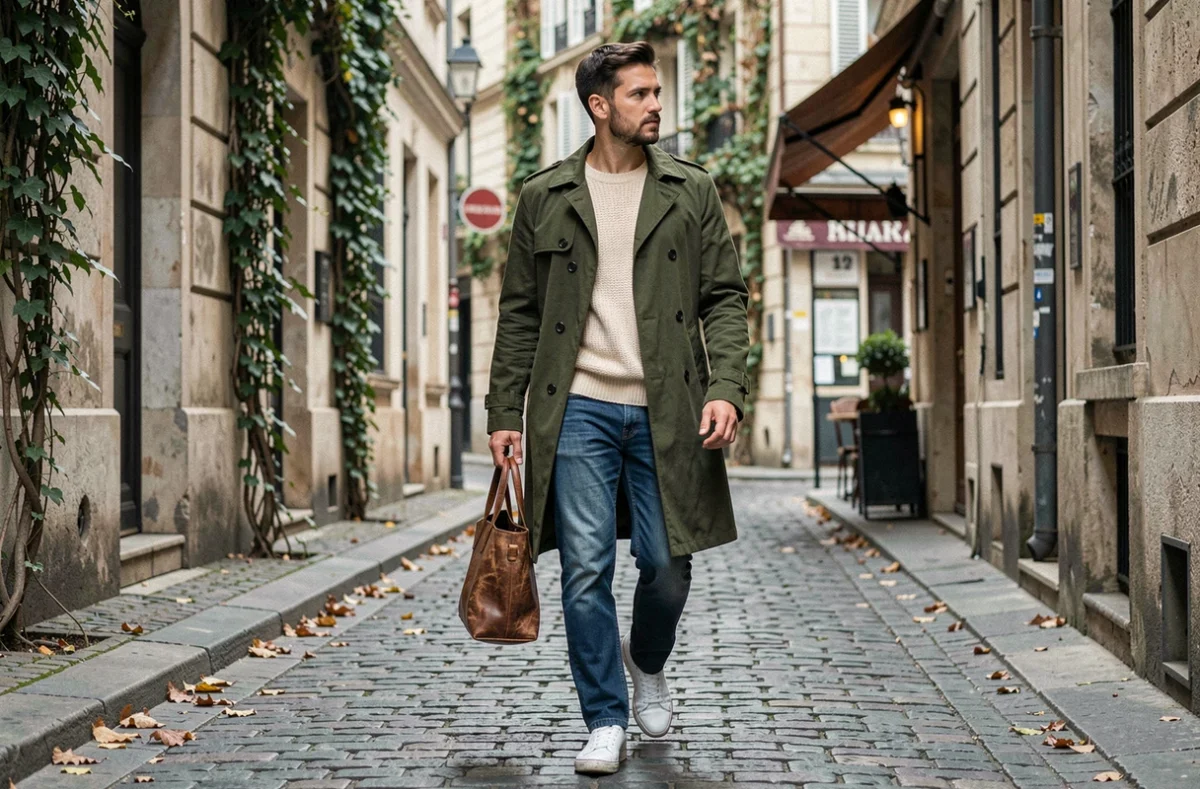
Repair and care for your clothes to preserve your style
Personal style is built around pieces you know well and wear for a long time. Repair and care are practical ways to extend the life of these key garments, but access to these services remains uneven.
The same DEFI and PwC study identifies practical barriers: repair operations remain costly for brands, and it is difficult to connect new clothing purchases with secondhand or repair journeys. Results vary depending on how programs are organized, meaning not all consumers have equal access to these services.
Care habits that help clothes last longer
- Wash brightly colored or natural-fiber garments inside out at a low temperature to preserve the fabric’s shape and the intensity of its colors.
- Mend a snag or replace a button as soon as it appears, before the damage spreads. A simple alteration costs a few euros at a local tailor.
- Store knitwear folded rather than on hangers to prevent the shoulders from stretching and distorting the original fit.
These habits aren’t just about sustainability. They help you keep the pieces that define your style for longer—the ones that feel truly yours. A pair of jeans that fits perfectly after dozens of washes has more style value than a new pair that still feels stiff.
Colors and everyday outfit combinations
Color is the most visible choice in an outfit and the one that does the most to shape a personal style. Two approaches work well for everyday wear.
The first is to identify three to five colors that appear regularly in the clothes you wear most often. These colors form your personal palette. Every new purchase or secondhand piece should fit into it, making it easier to put outfits together in the morning.
The second approach is to use contrast thoughtfully. One standout piece in a bold color is enough to personalize a neutral outfit. Dark trousers and a simple top can take on a completely different feel with an accessory or jacket in a striking color. This approach avoids a uniform look without requiring you to constantly refresh your wardrobe.
Accessories and details that make a look
Accessories are the most affordable way to vary your outfits without buying more clothes. A belt, a pair of earrings, a scarf or a bag can change the feel of the same set of basics.
A common mistake is to treat accessories as isolated decorative additions. An accessory that works with the colors and fabrics in the rest of your outfit reinforces your style. One chosen at random dilutes it.
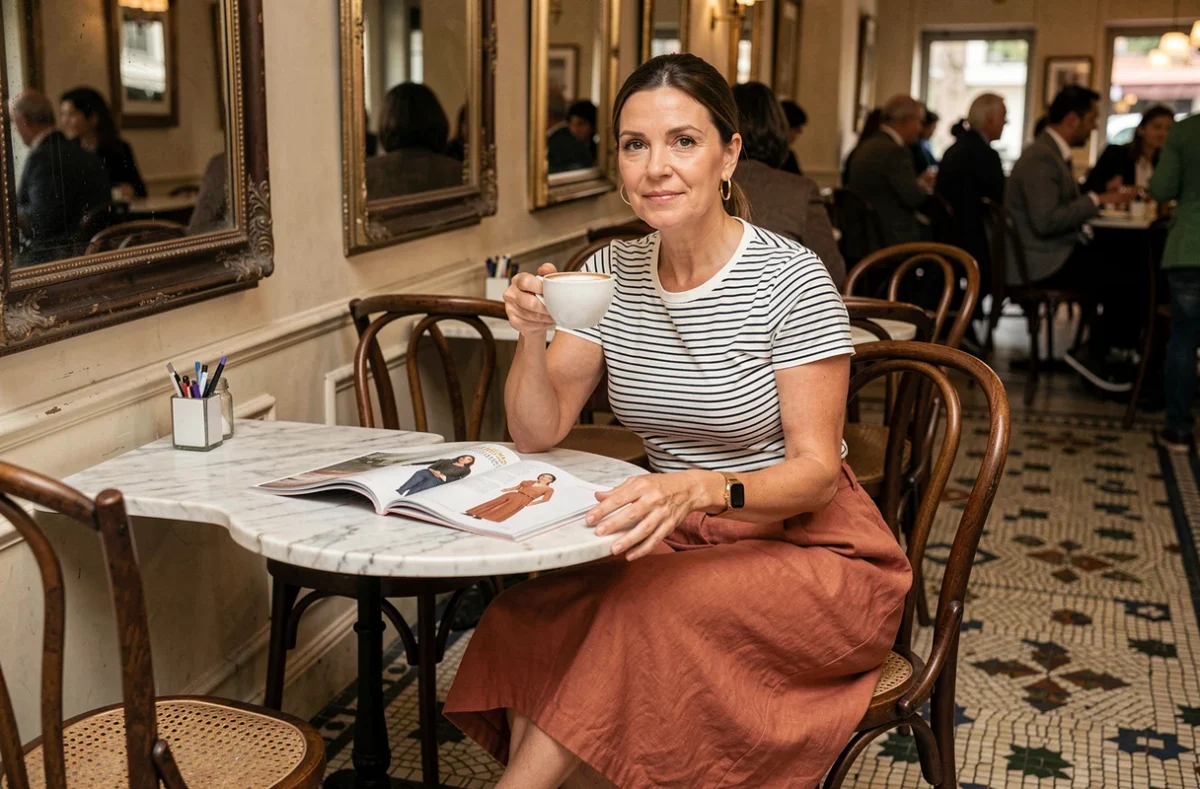
Resell and pass on pieces that no longer fit your style
Personal style evolves. Clothes bought with conviction two years ago may no longer fit the direction your wardrobe is taking. Keeping them out of guilt creates clutter and makes your wardrobe feel less cohesive.
Reselling is a logical option, but it isn’t always easy. The Alliance du Commerce study notes that brands struggle to connect new and secondhand shopping journeys. Peer-to-peer resale platforms take time to use (photos, descriptions, shipping), and some pieces, despite their quality, are hard to sell if they don’t align with a recognizable trend.
A few criteria can help you decide what to resell, donate or keep:
- You’ve worn the piece fewer than three times in the past year, for reasons other than seasonality.
- It no longer works with the rest of your current wardrobe.
- Its fit or fabric has changed after several washes and no longer matches what you liked about it in the first place.
Regularly sorting through your clothes, once or twice a year, keeps your wardrobe cohesive. It also makes getting dressed in the morning a quicker decision: every visible piece is something you wear with intention.
The European Ecodesign for Sustainable Products Regulation (ESPR), which entered into force in 2024, will eventually introduce a digital product passport for textiles. The specific requirements are still subject to future delegated acts. This future traceability could make resale easier by documenting the origin and composition of garments—an advantage for anyone looking for specific pieces on the secondhand market.
Personal style is built less through accumulation than through selection. Identify your standout pieces, care for them, combine them thoughtfully and let go of what no longer works: these everyday habits create a more reliable system than any seasonal trend.