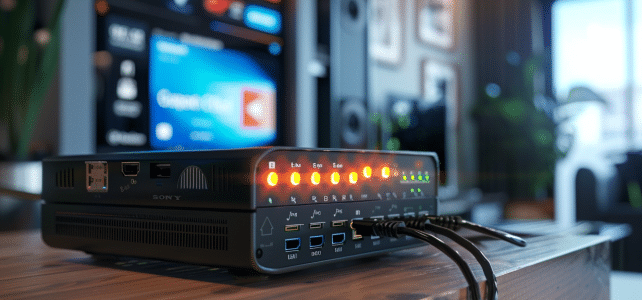
Access to high-speed internet has become a fundamental issue for households and businesses. With the constant evolution of technologies and connectivity needs, fiber optics is emerging as the preferred solution for fast and stable browsing. Consumers are thus faced with a competitive market where multiple providers present their best packages. Examining the available offers highlights the alternatives and competitors to consider, taking into account criteria such as price, connection speed, customer service quality, and additional options. An informed comparison guides users towards the choice that best meets their specific needs.
Detailed Evaluation of Fiber Optic Offers: Selection Criteria and Best Options
The analysis of fiber optic offers is based on key criteria such as price, speed, commitment, and the quality of customer service. Prices range from €15.99/month to €49.99/month, with speeds reaching up to 8 Gbit/s. Economic attractiveness is not the only factor; technical performance and contractual flexibility also need to be weighed. Offers such as the Freebox Pop fiber stand out for competitive rates in the first year and speeds among the best on the market. Premium quality equipment and simple and fast installation add to the appeal of this option.
The market also offers no-commitment options, allowing consumers to remain free in their choices. The Freebox Révolution Light Fibre, for example, is offered at €29.99/month, while the Bbox Must Fibre attracts with a price of €19.99/month. The flexibility provided by these no-commitment plans promotes adaptability in line with users’ evolving needs.
Promotions are a significant factor in decision-making. They primarily target new customers, offering substantial discounts during the first 6 or 12 months. The Livebox Fibre is available for €24.99/month for 6 months before reverting to its normal price of €42.99/month. The Sosh Fibre Box, on the other hand, starts at €15.99/month for 6 months and then rises to €30.99/month, an attractive compromise for those seeking a balance between cost and performance.
To guide consumers through this maze of options, platforms such as DegroupTest offer personalized comparison services. Advisors help compare fiber offers, taking into account the specifics of each request to direct users to the most relevant offer. Take the time to analyze each proposal, from the RED Box Fibre at €25.99/month to more expensive but potentially more comprehensive options like the Freebox Ultra, before subscribing to a line. Transparency and expertise are key to making an informed choice in this ever-changing field.

Alternatives to Fiber Optics: Competing and Emerging Solutions
In the face of the rise of fiber optics, alternative solutions remain relevant in the market. ADSL, despite lower speeds, remains an option for areas not yet served by fiber. Historical operators such as Orange, SFR, and Bouygues Telecom continue to offer competitive ADSL packages, often enhanced with additional services like included TV channels or unlimited calling options to France.
Mobile internet is establishing itself as a serious alternative, especially with the advent of 5G offering speeds approaching those of fiber optics. 4G and now 5G mobile plans provide quality internet connectivity for users on the go or residing in areas where fiber installation is not yet a reality. These offers cater to an audience seeking flexibility and mobility without sacrificing performance.
The service JeChange illustrates the interest in personalized solutions, allowing users to subscribe to targeted offers based on specific internet connection needs. Whether for a fiber box, a mobile plan, or an ADSL line, this type of platform advises and supports consumers in the jungle of available offers. Consider these alternatives as viable competitors to fiber optics, capable of meeting diverse and sometimes more specific requirements than those that a standard fiber connection could satisfy.